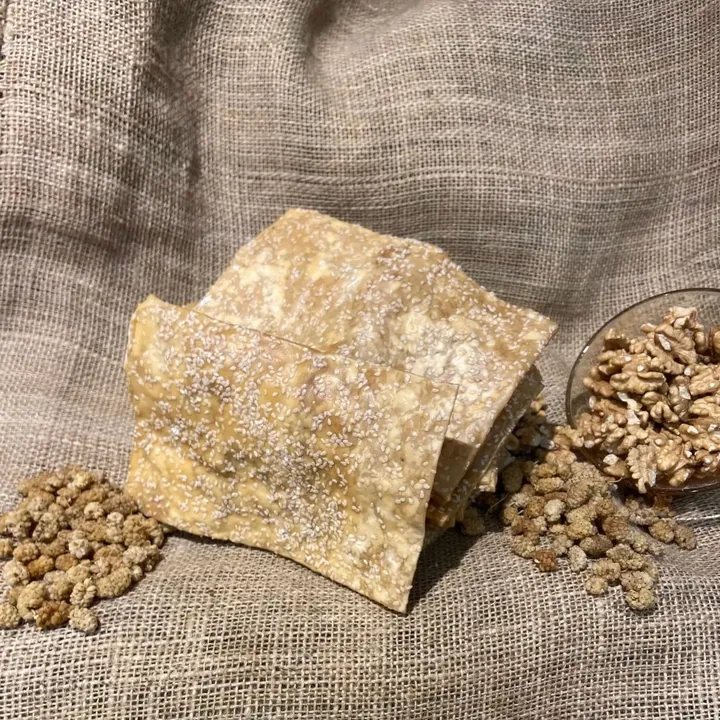


At the end of summer, roofs and courtyards in Malatya’s villages are covered with white cloths. On them a thin, glossy layer dries: pestil. The same must from the same cauldron also brings strings of walnuts to life.
From must to herle
Mulberries or grapes are crushed and strained, and the must is boiled in large cauldrons. Starch or flour is added little by little to thicken it. This pudding-like mixture is called “herle”.
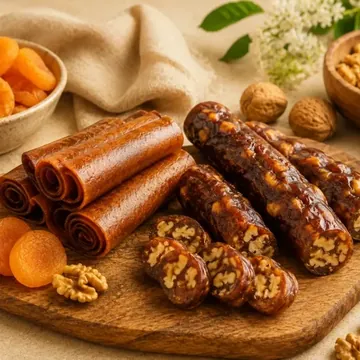
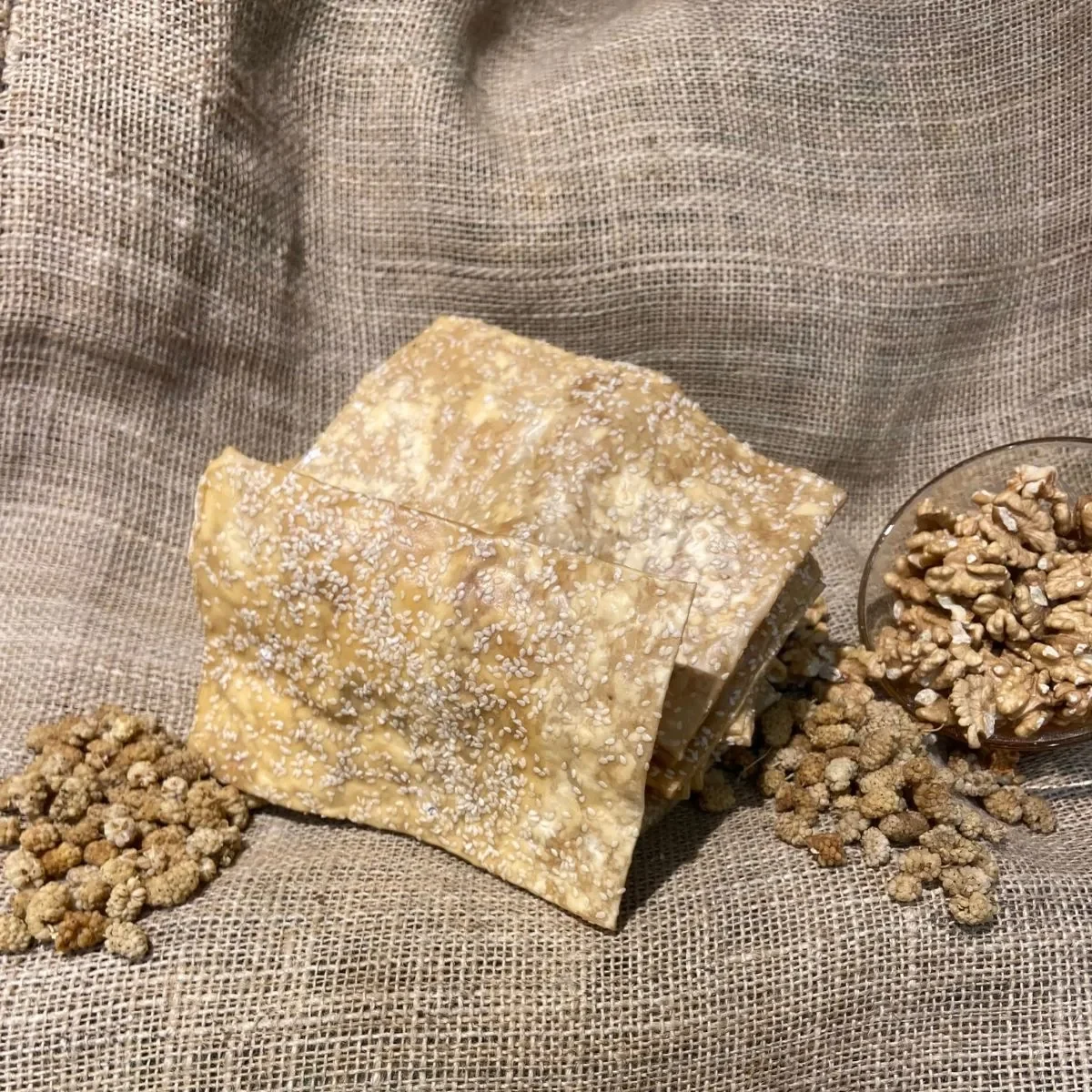
Pestil: flavour dried on cloth
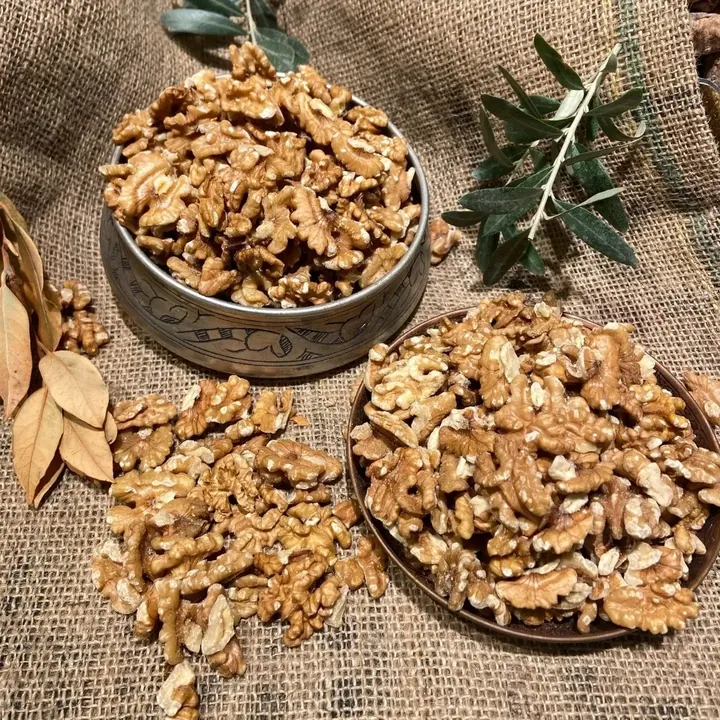
The hot herle is spread in a thin layer over clean, stretched cloths and dried in the sun for a day or two. The dried pestil is lifted off by dampening the back of the cloth, then folded. For walnut pestil, crushed walnuts are sprinkled over the herle as it’s spread.
Walnut sucuk (köme)
Walnut halves are threaded onto string, dipped in herle and hung up. Once dry they are dipped again, and this is repeated until the desired thickness is reached. In “walnut-packed” sucuk the walnut ratio is high and the coating thin; “thin sucuk”, as the name suggests, is strung more delicately.
How to enjoy them
- Pestil rolled around walnuts, with tea
- Köme sliced onto a nut platter
- With honey and clotted cream at winter breakfasts