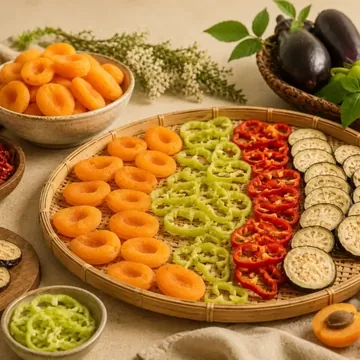
Everyone who steps up to a counter in Malatya asks the same question: “Is the dark one better, or the yellow one?” Both come from the same tree; the difference is the journey after picking.
How are sun-dried apricots made?
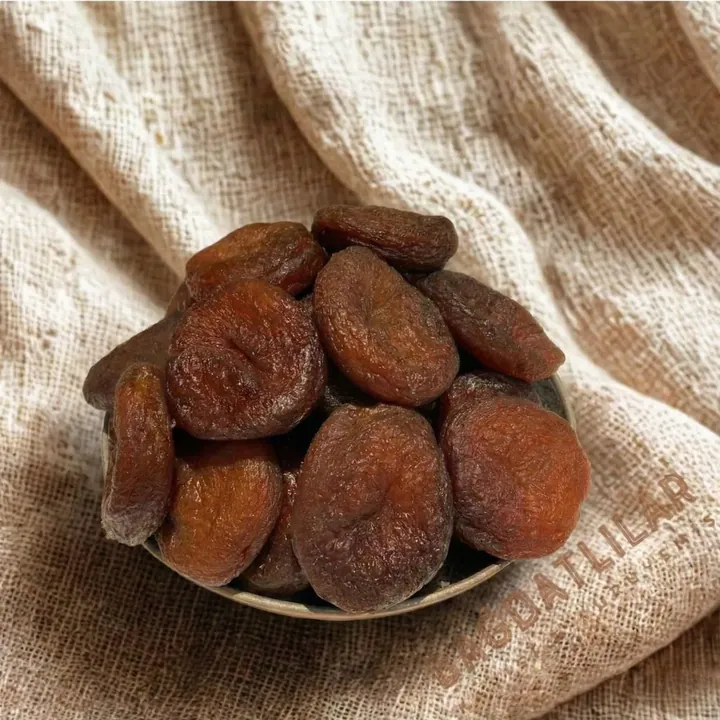
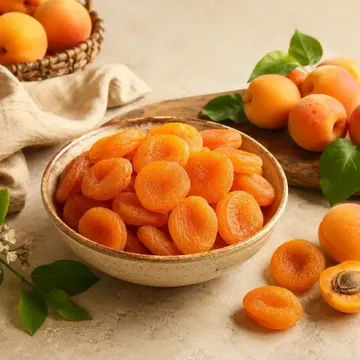
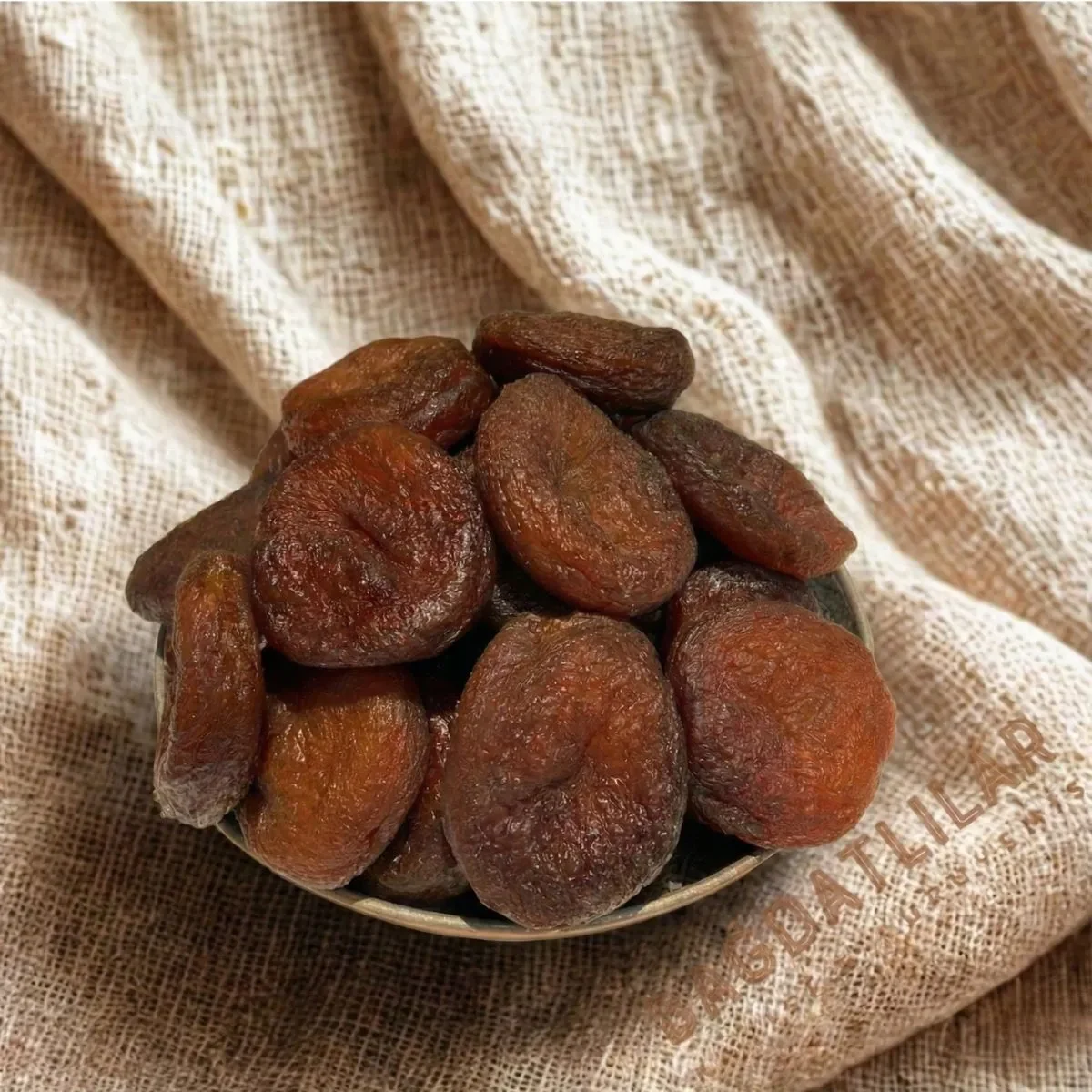
Sun-dried apricots are spread straight out in the sun after picking, with no treatment at all. As the fruit meets the air it darkens; within days it turns deep brown and its sugars concentrate. The taste is richer and more caramel-like, and the texture slightly firmer than golden apricots.
Why do golden apricots stay golden?
Before drying, golden apricots are exposed to sulphur smoke in sulphuring rooms. This stops the browning, so the fruit keeps its bright yellow–orange colour and softness – which is why the label says “contains sulphur dioxide”. Those sensitive to sulphites tend to choose sun-dried apricots.
Which to choose, and when?
- To eat plain: sun-dried if you love intense flavour, golden if you prefer soft and tangy.
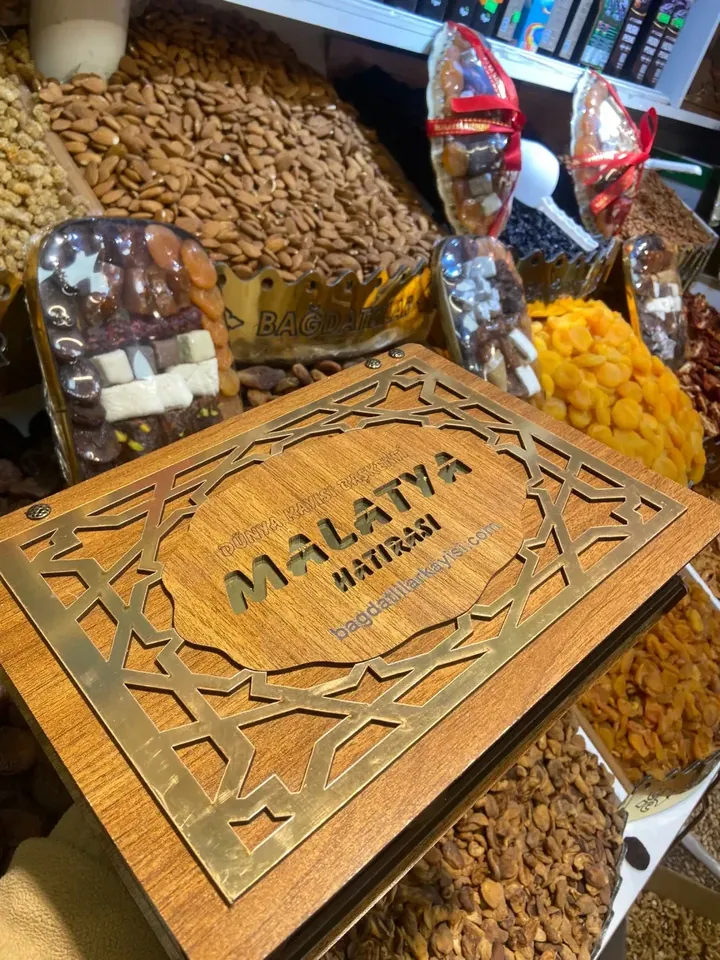
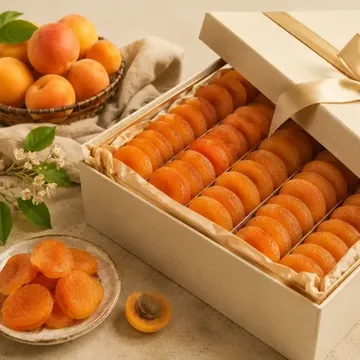
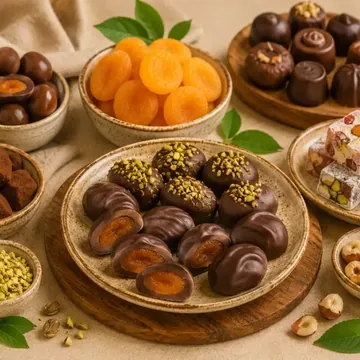
- For gift trays: golden apricots are usually used for their colour; arranging both colours together looks very elegant.
- For compotes: compote apricots or sun-dried apricots.
- In cakes and desserts: both work; sun-dried gives a more pronounced apricot taste.
Colour is not a measure of quality; it’s a difference in method. A good apricot is fleshy, full and carries its own aroma.
What does “jumbo” mean?
Dried apricots are graded by size: the fewer pieces per kilogram, the larger the size. “Jumbo” is one of the largest grades, popular both for the table and for gifts.